


Is Penang Worth the Hype? My Honest Verdict After a Lifetime of Visits (2026)
- hazeltehht
- 14 hours ago
- 8 min read
This post contains affiliate links. If you book through them, I may earn a small commission at no extra cost to you.
Recommended trip length | 4–5 days | |
Daily budget (mid-range) | ~£70–80/day pp | |
Street food meal cost | RM5–10 (90p–£2) | |
Three meals/day on street food | ~£15 | |
Flight time from London | ~13–14 hrs (one stop) | |
Getting around | George Town: walkable. Beaches + Burma Road: Grab (~£5/ride) | |
Best months to visit | Dec–Feb, Mar–May (avoid Oct–Nov monsoon + CNY) | |
How it compares | Best food scene in Malaysia; holds its own against Vietnam and Thailand for street food depth | |
Verdict | Worth it — if you eat like a local |
For the full stall-by-stall food breakdown, the dedicated Penang food guide goes live soon
Is Penang actually worth it for UK travellers?
I've been going to Penang my whole life. My family has relatives there — which means I've spent years eating across the island with people who know exactly which stall is worth the queue and which one has been coasting on its name for a decade. During my recent trips in the past 5-7 years, I've been more deliberate about it: sometimes working through five or six versions of the same dish in a single visit to find the best. That accumulated map — built across decades, not a single holiday — is what this post is based on.
The honest verdict: Penang belongs on a shortlist of the best food destinations in Southeast Asia. Not "good for the region" — genuinely world-class, at prices that make the argument almost unfair. The catch is that the best stalls don't have a strong digital presence. They're not the ones ranking first on Google Maps or appearing in influencer carousels. They're found through people who've been coming for years.
I've been coming for years. Here's what I know.
What does £80/day actually get you in Penang?
Street food runs RM5–10 per dish — 90p to £2. Three full meals a day at the right hawker stalls costs around £15. Accommodation and transport make up the rest, both of which are excellent value by UK standards.
Category | Approx. cost (per person) |
Accommodation — mid-range hotel, George Town | ~£40/night |
Three street food meals | ~£15 |
Grab within George Town | ~£5 per ride |
Grab to Burma Road or beaches | ~£7–10 each way |
Seafood restaurant (crab, fish, vegetables — shared) | ~£25pp |
Total — street food day | ~£70–80 |
A few things that are worth building into the budget:
Seafood restaurants — I'd include at least one dinner at a proper seafood place. Hai Boey Seafood Restaurant is the one I'd send anyone to: around £25pp for crab, fish, and vegetables shared across the table. That price-to-quality ratio doesn't exist anywhere in Europe. It's not that it beats the hawker stalls — they're serving different things — but at that freshness level in London you'd be paying three or four times more. Cheaper per head the bigger the group, which is worth knowing.
Getting around — George Town itself is very walkable, and if you're staying in the heritage district you can reach most hawker stalls on foot. Grab is essential for Burma Road (where some of the best curry mee is), and for anything beach-related. Budget £5–10 per ride.




Thinking about where to stay? See the hotels section below — I've listed options by budget tier.
Getting there from the UK
I fly to Penang from Singapore, where my family is based — budget airlines from there, sometimes under £20 one way. From London, it's a different calculation.
London to Penang: Expect around 13–14 hours total with one stop, typically via Kuala Lumpur. Return economy fares from London run roughly £450–£700 depending on season and lead time. Search on Skyscanner with flexible dates across a 2–3 week window — prices vary significantly and the flexible search surfaces options you'd miss with fixed dates.
Singapore routing option: If you're combining Penang with a Singapore visit — which I'd recommend as a natural pairing — flying London → Singapore → Penang on a budget airline often works out cheaper in total and adds a city well worth the time. Singapore Airlines' stopover programme is worth checking if you're routing through.
When to go — and when not to
Avoid October–November. Monsoon season on the west coast of Peninsular Malaysia — not impossible to travel, just not ideal.
Check the Chinese New Year date before booking. This one catches visitors out. Many of Penang's best hawker stalls — particularly the established family-run ones — take extended closures over CNY, sometimes two weeks or longer. The date shifts year to year. If your trip overlaps, a meaningful proportion of the stalls I've recommended may be closed. Worth a quick check before you commit to dates.
Sweet spot for most UK travellers: December–February or March–May. Good weather, stalls reliably open, before peak summer crowds.
Where to stay in Penang
Stay in George Town for a food-focused trip — you want to be walking distance from the hawker areas, not spending Grab money every time you want to eat.
Luxury — £60–100/night pp
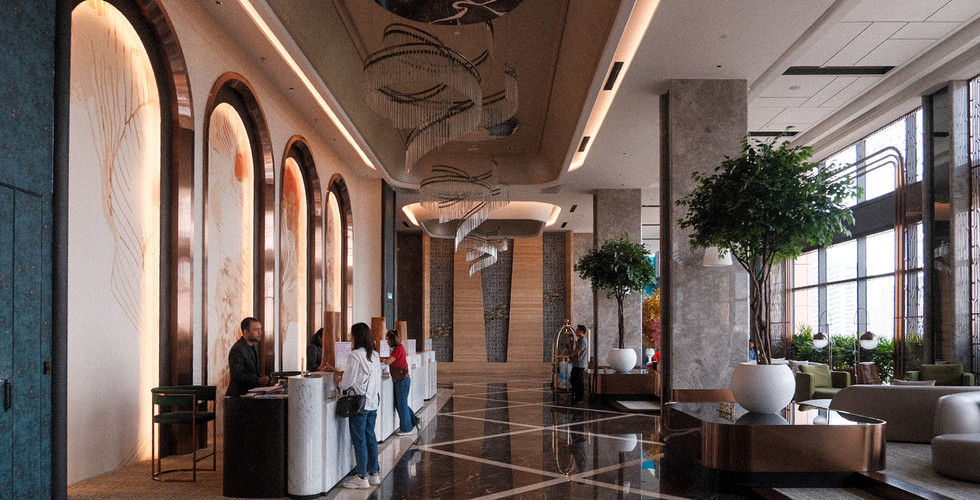
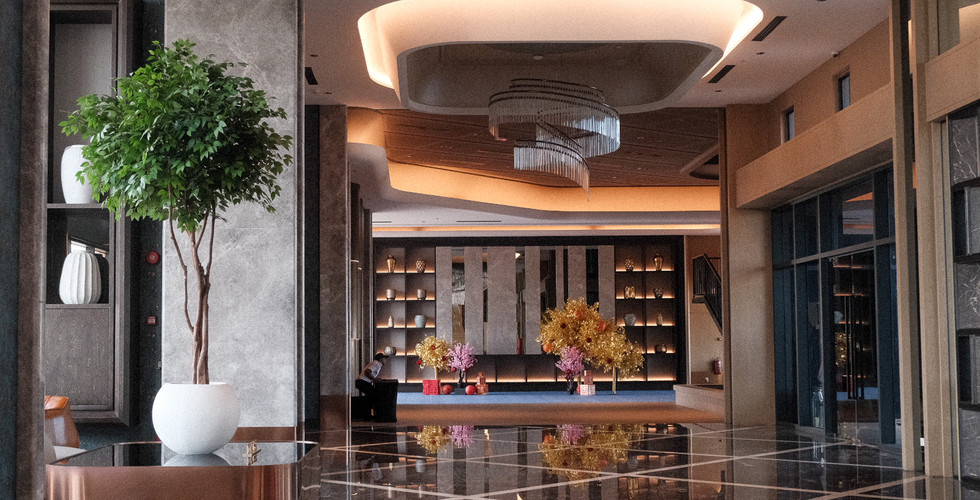
E&O Hotel — the heritage choice. Beautiful building; book the modern wing rather than the historic rooms, which trade atmosphere for comfort in a way that doesn't quite land. One of those hotels that earns its reputation on setting alone.
G Hotel Gurney — super central, high-spec, contemporary feel. The right choice if the E&O's classic character isn't what you're after.


Mid-range — £20–60/night pp
Hotel Penaga — the standout at this tier. Built into 1940s shophouses in the cultural district; genuinely characterful without sacrificing comfort. My pick at this price point if you want somewhere that feels like Penang rather than a generic business hotel.
Granite Luxury Hotel and Fifth Avenue Hotel — both solid George Town options, more functional than characterful, well-located.
Shangri-La Golden Sands — the beach option (Batu Ferringhi). Makes sense if you're splitting time between George Town and the coast. Comes with the trade-off of needing Grab every time you want to eat properly.
Amari SPICE — airport-adjacent, which is useful for early departures and late arrivals. Not the choice for a food-focused stay in the city.





Budget — under £20/night pp
Sleep Box and Carnavon Rooms — both functional George Town options for travellers putting their budget into food rather than a room. At this end of the market, the neighbourhood does most of the work.
Browse and book via Booking.com — I'd start with Hotel Penaga or Granite Luxury Hotel for mid-range, E&O if you're treating yourself.
What food should you actually prioritise in Penang?
Most Penang guides name the dishes correctly but treat finding them as straightforward. It isn't. The stall matters as much as the dish — the gap between the right one and a tourist-facing alternative is significant, and it's rarely obvious from the outside which is which.
Below are five I'd recommend on a first trip, chosen to represent the range. These aren't the full picture — there are another dozen stalls I'd send you to for char kuay teow alone. The complete breakdown, including the Bobo food court, the Wan Dao Tou laksa (Michelin Guide), and the Burma Road cluster in full, is in the dedicated Penang food guide once it's published.







Char kuay teow — Kheng Pin Cafe, George Town
Flat rice noodles, wok hei, lard, cockles, egg. Kheng Pin is the reliable benchmark — no tourist markup, does the dish properly.
Prawn mee — Classic Hokkien Mee, 130 Jalan Perak, George Town
Prawn mee and hokkien mee are used interchangeably in Penang. This stall at Jalan Perak is the one I keep coming back to: rich prawn-based broth, prawns, pork ribs, egg noodles. RM5–8.
Assam laksa — Penang Road Famous Laksa, George Town
The OG, and it still earns the name. Penang's laksa is not what you'll know from Singapore or KL — it's a sour, fish-based broth with thick rice noodles, shrimp paste, and pineapple. It's polarising the first time and addictive by the second bowl
Curry mee — Duck Blood Curry Mee, Burma Road (Michelin Guide)
Duck blood curry mee sounds confronting — it's actually extraordinary. Rich, complex broth with real depth. Burma Road is worth the Grab ride on its own: the same street has a Michelin-recognised prawn mee stall, and the chicken rice in the same food court is good enough to be a reason to come.
Roast meats — Wai Kei Cafe 槐記蜜味燒臘, George Town
Not what Penang is primarily famous for, which is exactly why most visitors walk past it. Wai Kei operates out of its own canteen-style space and does charsiew, duck, and pork belly at hawker prices with quality well above that category.
On pricing: RM5–10 across all of the above. For this level of food. That's the Penang argument in one line.
What to actually do in Penang (beyond food)?











The street art and heritage walk — the murals and iron wire sculptures scattered through the heritage district make George Town one of the best cities in Southeast Asia to wander without a plan. The most famous pieces are on Armenian Street (including Zacharevic's Children on a Bicycle), but the better approach is to walk without a specific route and let things appear. Chulia Street at night is particularly good — street food stalls open, cafes lit up, the kind of urban atmosphere that's hard to manufacture. Combine it with coffee stops along Beach Street, which runs parallel. You can easily spend two to three hours doing this and feel like you've actually seen the city rather than just photographed a checklist.
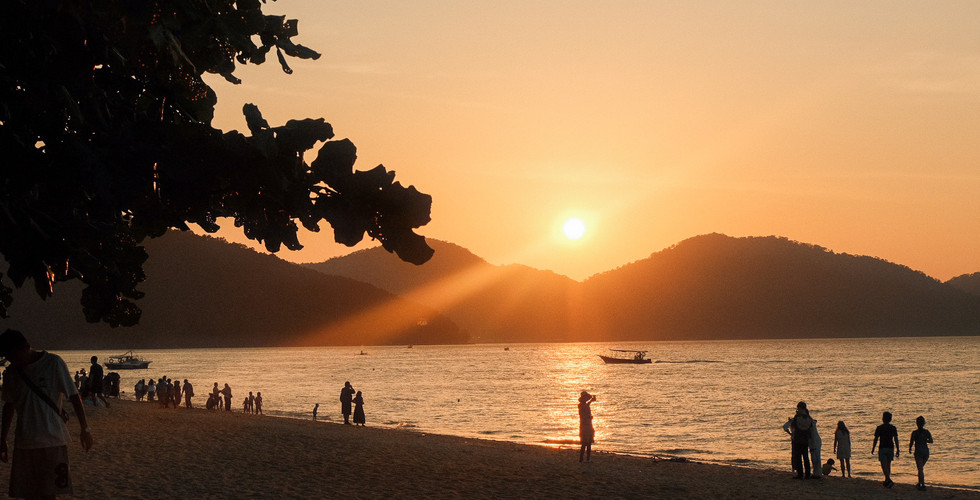
Clan Jetties (Chew Jetty) — floating villages built by Chinese immigrant clans, now a UNESCO-listed heritage site. Chew Jetty is the most preserved and the most visited. It's a 20-minute walk from the centre of George Town and worth doing for an hour — a completely different texture from the heritage shophouses. Good for sunset.
Hin Bus Depot — a repurposed bus depot that now functions as an arts space with a rotating gallery and street art on its exterior. Worth a half-hour detour if you're interested in the contemporary art scene rather than the heritage murals. Quieter and less touristy than Armenian Street.
Penang Hill — a solid half-day. Cable car up, views across the island, cooler temperature at the top. Worth doing once.
Beaches (Batu Ferringhi) — fine for a day of decompression after eating heavily. Not Thai or Philippine beaches. If beaches are your primary motivation, Penang is the wrong destination. If you've had three days of food and want somewhere to sit, it works.
Skip: Over-scheduling attractions. Penang rewards slow mornings and multiple breakfast stops more than a packed sightseeing itinerary.
The verdict
Penang is worth it. It sits at a level of food quality that very few cities in Southeast Asia match, at prices that consistently feel like a mistake. RM5–10 for dishes that have earned Michelin recognition and built decades of reputation. For a UK traveller, the value argument is almost unfair.
The caveat I keep coming back to: you have to know where to go. The best stalls here don't have a digital presence. They exist in food courts that don't rank on Google, recommended by people who've been coming for years. I've been coming for years — with family who know the island — and the map I've built took multiple visits to assemble.
The practical version: use this post and the full food guide when it's live, stay in George Town, allow four to five days, and treat breakfast with the same seriousness as dinner. Budget for four or five dishes a day — at 90p–£2 each, you can. The beach and the street art will fill the gaps between eating.
Found this useful? Save it for when you're planning. And if you've eaten your way through Penang with a stall I should add to the list — I'd genuinely like to know.
Want the full cost breakdown template for Southeast Asia trips? Sign up to my newsletter here.


Comments